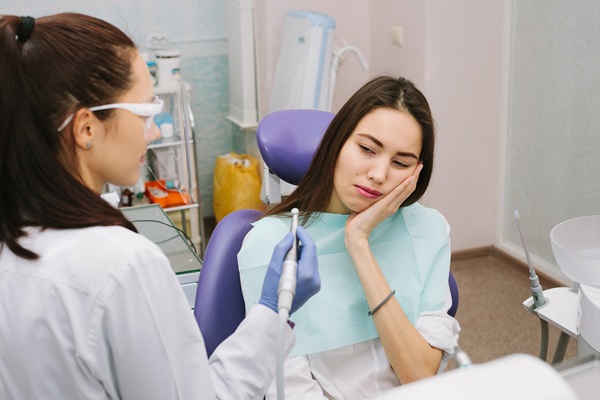
Caring for Your Tooth After Endodontic Treatment
If you receive endodontic treatment, you must take proper care of your tooth. A root canal professional will provide you with care instructions following the procedure. However, you can educate yourself beforehand so you will know what to expect. Learn what you need to do after your treatment.
Post-op care after endodontic treatment
Patients are normally sent home with temporary fillings following a root canal procedure. Temporary fillings require special care so that they do not fail. With the right care, crowns stay intact and patients are comfortable. Then, patients return to the dentist for the permanent restoration.
Brush and floss like normal
Many people think that brushing and flossing after a root canal is dangerous. It is actually dangerous to avoid oral hygiene. Bacteria can build up on the treated tooth and cause additional damage. Brushing and flossing keeps the area clean and makes it easier for the tooth to heal.
While people use the same technique for brushing, the flossing technique needs to be adapted for the restoration. Instead of pulling the dental floss up between the teeth, people need to slide it out. Sliding it prevents the floss from pulling out the temporary filling. People should continue using this technique after the permanent filling is in place.
Do not bite on the tooth at first
Patients need to give the tooth time to heal after undergoing a root canal. Biting on the tooth immediately following treatment can be uncomfortable and also cause the temporary filling to fail. For two days following surgery, patients should chew on the other side of their mouths. This allows the tooth to heal.
Avoid sticky foods
Temporary fillings are not as strong as permanent restorations. Sticky foods such as gum and caramel can pull the filling out of the tooth. Patients should not eat these foods with a temporary filling. Once the permanent restoration is in place, people can eat the foods they want.
Call the dentist if the filling fails
If the dental filing fails, patients should call the root canal professional immediately. Temporary fillings protect the restored tooth. This is a dental emergency. Patients will likely need to meet the dentist at the office for a new filling.
Contact the dentist if the pain is significant
Endodontic treatment can cause some discomfort, but people should not experience significant pain. People who experience significant pain should contact the dentist. Also, people who have discomfort for a week or longer should contact the dentist. The dentist needs to evaluate the patient to determine the cause of the pain.
Protect your smile after a root canal treatment
Your smile is important to you and you need to correct it after endodontic treatment. Brush and floss and avoid biting on the treated tooth for the first two days. Avoid sticky foods and know when to call the dentist. Call the dentist if the filling fails, if you are in significant pain or if the discomfort lasts a week or longer.
Request an appointment here: https://www.lilburnfamilydentistry.com or call Lilburn Family Dentistry at (770) 800-0178 for an appointment in our Lilburn office.
Check out what others are saying about our services on Yelp: Read our Yelp reviews.
Recent Posts
A smile makeover can completely revitalize your teeth to boost your confidence and make your smile stand out. While this type of makeover differs for every patient because it is personalized to suit their respective needs and goals, the after-care tips are the same for everyone. If you want to maintain your smile after a…
Acting quickly by consulting an emergency dentist when facing the signs of dental implant rejection helps to protect the jawbone and surrounding teeth. While implants offer a permanent, high-success solution for missing teeth, the body occasionally struggles to integrate the titanium post with the natural bone. This complication requires immediate attention to halt the spread…
Are you considering a smile makeover? Read on to learn more. A smile makeover has both cosmetic and emotional value. The psychological effects extend to one’s self-esteem and self-image. According to the American Academy of Cosmetic Dentistry, nearly 99.7% of individuals consider a smile an important social asset. Smiles have a high social value, and…
A smile makeover is a treatment plan designed to enhance a patient’s smile through various procedures. Two of the most common are dental veneers and dental crowns. Which one of these treatments a dental professional may recommend will depend on the condition of the patient's teeth, including health and appearance, and their goals for their…