What Age Should I Consider a Wisdom Tooth Extraction?
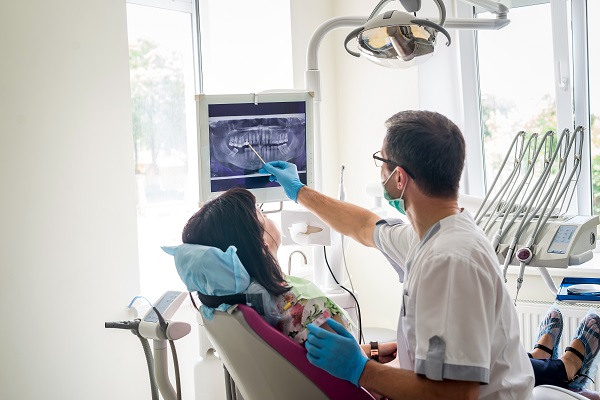
While wisdom tooth extraction is not a procedure that most people enjoy, the results can significantly improve oral health, as well as general comfort. With that being said, it is important to be aware of when to consider an extraction when wisdom teeth begin erupting.
When to extract wisdom teeth
The third and final set of molars are called the wisdom teeth because they are the last adult teeth to grow in, when a person is supposedly "older and wiser." However, these teeth may cause issues with oral health, especially if they are impacted. These teeth failing to erupt from the gums completely or at all can cause various oral health issues, though even people who have wisdom teeth that are not impacted may want to consider extraction.
The typical age for wisdom teeth
Wisdom teeth should not necessarily be extracted at a certain age. Everyone’s wisdom teeth come in at a different time, and occasionally people do not have them at all or do not have issues when they do come in. However, they most commonly appear during the later teen years, so to be careful people should have them checked for during adolescent years, once the other adult teeth have grown in. Most dentists begin checking for impacted wisdom teeth between the ages of 16 and 19. It should be noted that it is still possible to perform a wisdom tooth extraction at an older age, but it can cause more pain than if the patient is younger or still developing.
Reasons not to delay an extraction
Dentists typically recommend that wisdom teeth be removed as soon as they appear, especially if they are impacted. Because teeth grow and develop roots beneath the gums, it can be extremely painful to wait on pulling them. Having them extracted early on can help reduce the pain from pulling not just the tooth but the fully developed roots too.
Aside from the roots causing pain, the bone around the teeth will also be softer at a younger age. When the wisdom teeth first develop, the surrounding jawbone will still be tender and not yet fully formed. As time passes, and the teeth become set in place, the bone will harden, which could cause greater discomfort during a wisdom tooth extraction.
Other factors
Beyond adolescence, a lot of dentists recommend that their patients consider a wisdom tooth extraction due to pain or crowding. In many cases, other teeth surrounding the wisdom teeth may start to shift due to a limited amount of space. In other scenarios, impacted wisdom teeth can cause pain or infections between other teeth or even along the gum line. When either crowding or pain takes place, patients should look into a wisdom tooth extraction.
Considering a wisdom tooth extraction
Are your wisdom teeth causing you trouble or discomfort? It is better not to wait for treatment. Any questions or concerns regarding wisdom teeth removal should be directed to a dental professional.
Request an appointment here: https://www.lilburnfamilydentistry.com or call Lilburn Family Dentistry at (770) 800-0178 for an appointment in our Lilburn office.
Check out what others are saying about our services on Yelp: Read our Yelp reviews.
Recent Posts
Acting quickly by consulting an emergency dentist when facing the signs of dental implant rejection helps to protect the jawbone and surrounding teeth. While implants offer a permanent, high-success solution for missing teeth, the body occasionally struggles to integrate the titanium post with the natural bone. This complication requires immediate attention to halt the spread…
Are you considering a smile makeover? Read on to learn more. A smile makeover has both cosmetic and emotional value. The psychological effects extend to one’s self-esteem and self-image. According to the American Academy of Cosmetic Dentistry, nearly 99.7% of individuals consider a smile an important social asset. Smiles have a high social value, and…
A smile makeover is a treatment plan designed to enhance a patient’s smile through various procedures. Two of the most common are dental veneers and dental crowns. Which one of these treatments a dental professional may recommend will depend on the condition of the patient's teeth, including health and appearance, and their goals for their…
Most people develop a cavity at some point in their lives, but children are especially prone to tooth decay. Dental sealants can be used to help lower the risk of getting cavities, protecting a child's teeth for many years. This supplemental treatment offers many benefits and is recommended by most dentists for virtually all children…