When You Should Get a Wisdom Tooth Extraction
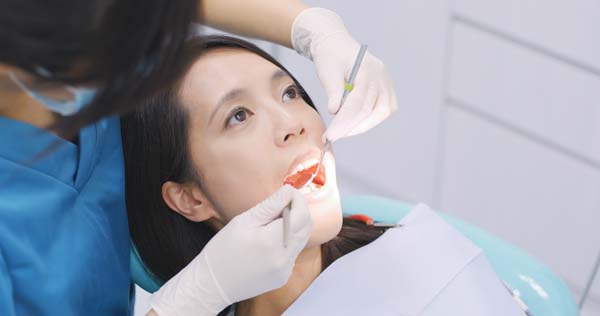
Dentists recommend wisdom tooth extraction to patients who are in a lot of pain when their wisdom teeth erupt because there is no room in their mouth to accommodate the new teeth. In addition to the pain, the inability of the teeth to erupt properly can also lead to damage to the other teeth as well as gum disease and tooth decay.
When is the right time for a wisdom tooth extraction?
Wisdom teeth are the last teeth to erupt and they usually erupt when a person is between the ages of 17 and 25. For some people, the eruption of their wisdom teeth does not affect them or cause any pain because there is enough room to accommodate the additional teeth. For those without the room to accommodate the teeth, it can be a very painful experience.
In most cases, extraction is not needed if the wisdom teeth are:
- Positioned correctly
- Fully erupted
- Able to be flossed
- Healthy
Why should I get my wisdom teeth extracted?
The extraction of the wisdom teeth is necessary if the lack of room in the patient’s mouth prevents the teeth from erupting properly and causes the patient a lot of pain. If there is not enough room in the mouth, the wisdom teeth will likely erupt at various angles, which can lead to problems that include:
Crowding nearby teeth
If the wisdom teeth do not have enough room to erupt, they may end up crowding and damaging nearby teeth.
Partially erupting through the gums
When the wisdom teeth erupt partially, they are difficult to see and clean. This leads to the teeth creating a passageway that can become a magnet for bacteria, which can lead to periodontal disease and oral infection.
Are hidden in the jaw
When wisdom teeth are unable to erupt properly, they sometimes get trapped in the jaw, which can lead to a cyst or infection that can damage the bone support or the roots of nearby teeth.
If a patient’s wisdom teeth cause any of the problems listed, they will have to be extracted to prevent them from damaging the remaining teeth in the mouth or causing infection and gum disease. In a lot of cases, dentists recommend wisdom tooth extraction at a younger age. The tooth roots are not fully developed and the surrounding bone is still soft, which makes it easier to extract the tooth.
Wisdom tooth extraction at a younger age also means that the recovery period after the surgery will go faster. If a patient waits until they are older to get the wisdom tooth extracted, they will be in a lot more pain after the procedure. This is due to the tooth roots and surrounding bone being stronger and the nerves in the teeth will be fully developed.
Conclusion
Wisdom tooth extraction is necessary if the patient is in a lot of pain, and leaving them in can also cause damage to your other teeth. If you are in pain because of your wisdom teeth, schedule an appointment with your dentist to find out if the teeth have to be extracted.
Request an appointment here: https://www.lilburnfamilydentistry.com or call Lilburn Family Dentistry at (770) 800-0178 for an appointment in our Lilburn office.
Check out what others are saying about our services on Yelp: Read our Yelp reviews.
Recent Posts
A smile makeover treatment can target dental stains and discoloration. Some of them affect the surface, while others penetrate the deeper layers of the mouth. A full evaluation can determine the right procedure to correct this cosmetic dental issue. Here are the common smile makeover options you should consider for your discolored or stained teeth.Despite…
A smile makeover can completely revitalize your teeth to boost your confidence and make your smile stand out. While this type of makeover differs for every patient because it is personalized to suit their respective needs and goals, the after-care tips are the same for everyone. If you want to maintain your smile after a…
Acting quickly by consulting an emergency dentist when facing the signs of dental implant rejection helps to protect the jawbone and surrounding teeth. While implants offer a permanent, high-success solution for missing teeth, the body occasionally struggles to integrate the titanium post with the natural bone. This complication requires immediate attention to halt the spread…
Are you considering a smile makeover? Read on to learn more. A smile makeover has both cosmetic and emotional value. The psychological effects extend to one’s self-esteem and self-image. According to the American Academy of Cosmetic Dentistry, nearly 99.7% of individuals consider a smile an important social asset. Smiles have a high social value, and…